
Happy May. Conditions across Northeast Florida continue to reflect an ongoing Class II drought, with April bringing very little rainfall. We are currently running 24–26 inches below normal over the past nine months, and irrigation remains limited to once per week. While there are some encouraging rain chances ahead, what really matters now is consistency as we move toward the typical start of the wet season in late May to early June.
Maintenance
For residential properties, the focus this month is simple—maintain curb appeal while minimizing stress on your lawn and plants. You may notice that mowing is a bit more selective right now. If turf isn’t actively growing, we’re intentionally staying off of it to avoid unnecessary wear and tear. This helps preserve root health and prevents additional stress during an already dry stretch.
Detail work, bed maintenance, and weed control continue as normal to keep your property looking clean and well-kept. Even in drought conditions, these small touches go a long way in maintaining overall appearance.
Irrigation is especially important right now. With only one watering day per week, we’re focused on getting the most out of every cycle. We’re also keeping a close eye on system performance to ensure everything is operating properly—because in these conditions, every drop counts.
Agronomics
Our approach to lawn health is centered on support, not stress. We are applying liquid nutrients across the lawn, including small amounts of nitrogen and iron, to help improve color without pushing excessive growth that the current conditions can’t sustain.
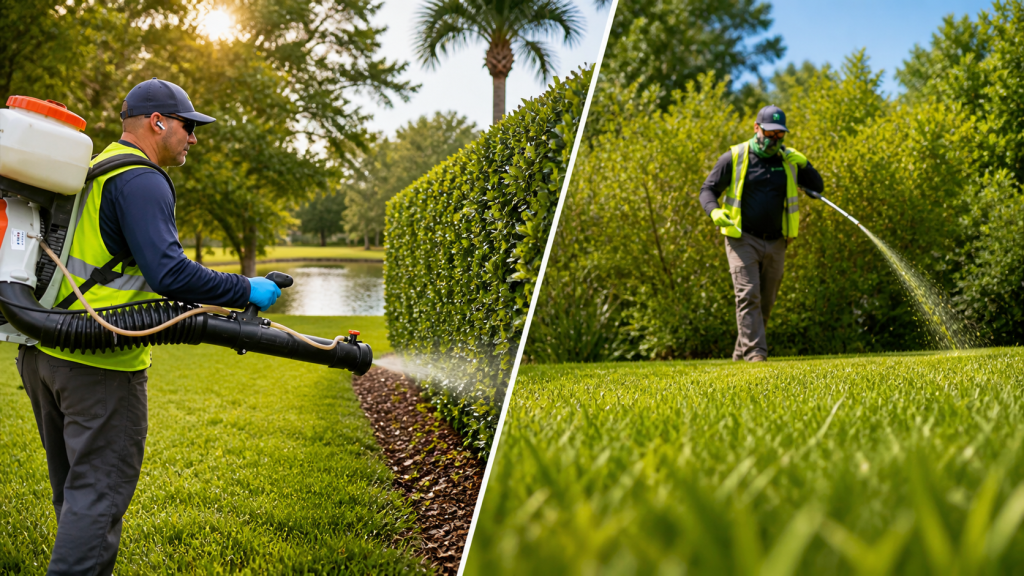
Drought-stressed lawns are more vulnerable to pests, particularly chinch bugs, which thrive in hot, dry conditions. To stay ahead of this, we are applying a systemic treatment to help reduce populations over time, along with targeted spot treatments if active areas are identified. This proactive approach helps protect your lawn from further damage while it’s already under stress.
Looking Ahead
The forecast is starting to show more consistent rain chances, and even rainfall every 7 to 10 days would make a noticeable difference in lawn and plant health. Until then, the focus remains on protecting what we have, using water wisely, and setting your landscape up for recovery when conditions improve.
As always, we appreciate the opportunity to care for your home and your landscape.